Gardening guide • Queensland
Best Native Queensland Plants & Flowers for Wet, Flood-Prone Gardens
Does water pool around your garden beds after heavy rain? Choosing locally suitable native sedges, grasses, groundcovers and shrubs can help hold soil together, slow runoff and support a healthier garden. This guide covers wet spots from the Sunshine Coast through Gympie and Cooloola to Hervey Bay.
Important: Plants do not instantly drain flooded ground or replace properly designed drainage. Their roots improve soil structure over time, and established plants use water through transpiration. Check soil type, flood duration and local provenance before planting; keep runoff paths and drainage outlets clear.
How native root systems help
Fibrous roots create a dense network near the surface that helps resist erosion. Woody roots anchor shrubs and trees and can open pathways in soil over time. Different plants tolerate different durations of waterlogging.
Illustrative root diagram only — not a botanical scale drawing.
10 native plants worth considering
Tall Sedge
Carex appressa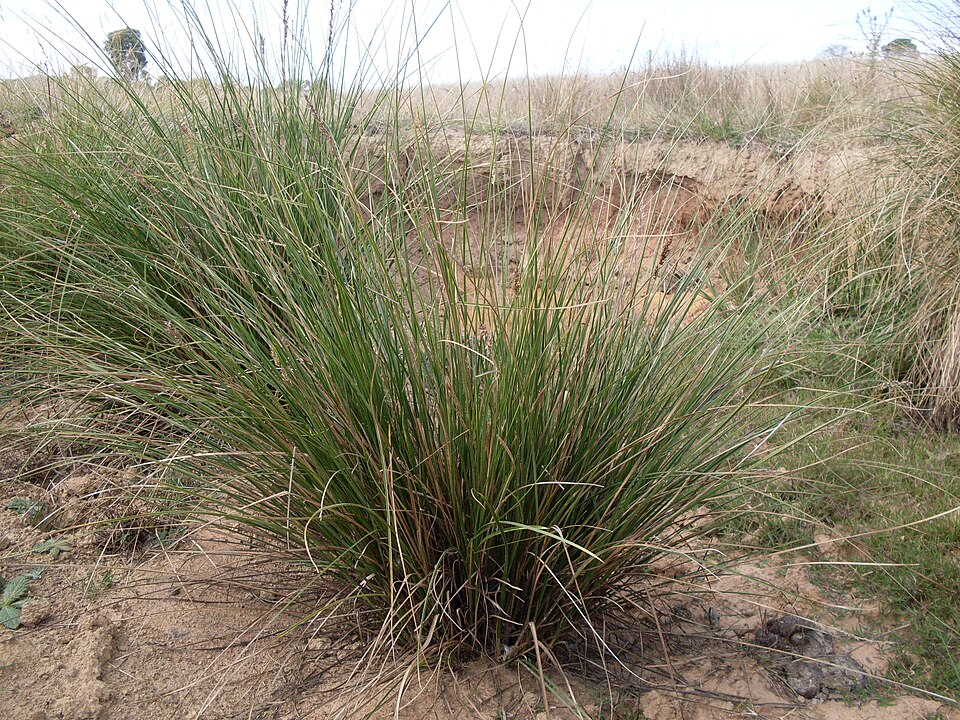
Dense, fibrous roots help hold damp soil together; useful in seasonally wet rain-garden basins.
Knobby Club-rush
Ficinia nodosa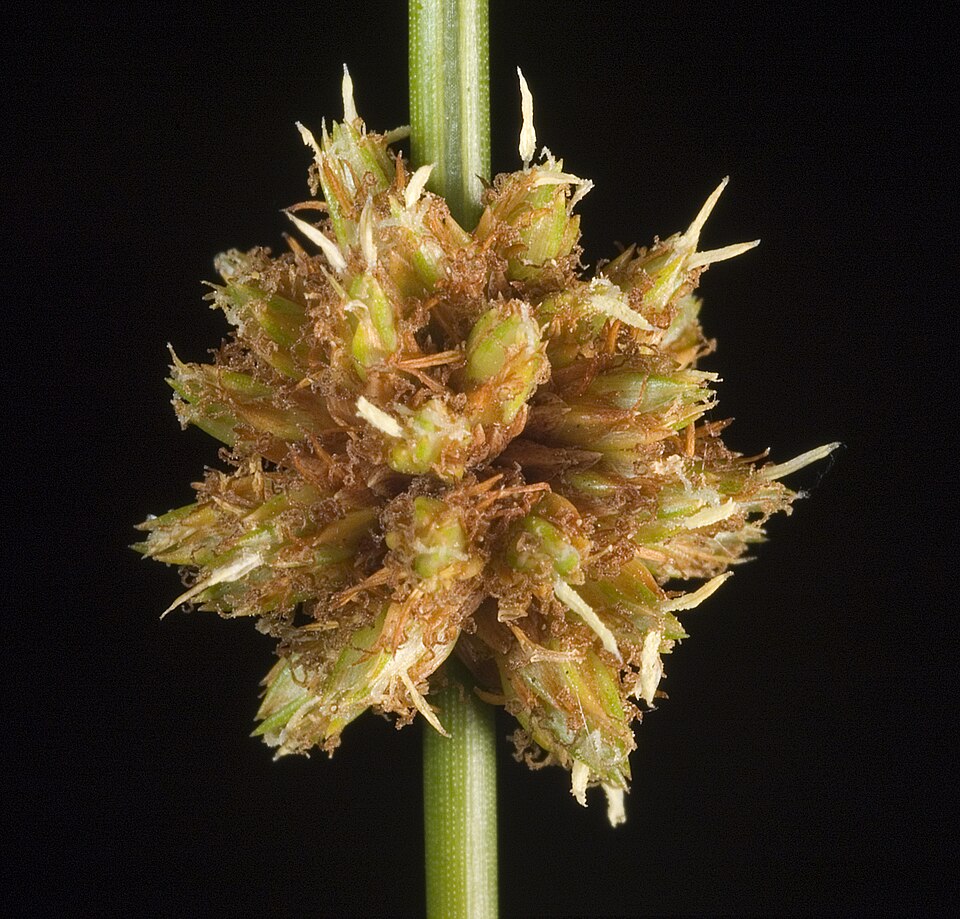
Clumping, fibrous roots stabilise sandy or moist edges and tolerate coastal conditions.
Spiny-headed Mat-rush
Lomandra longifolia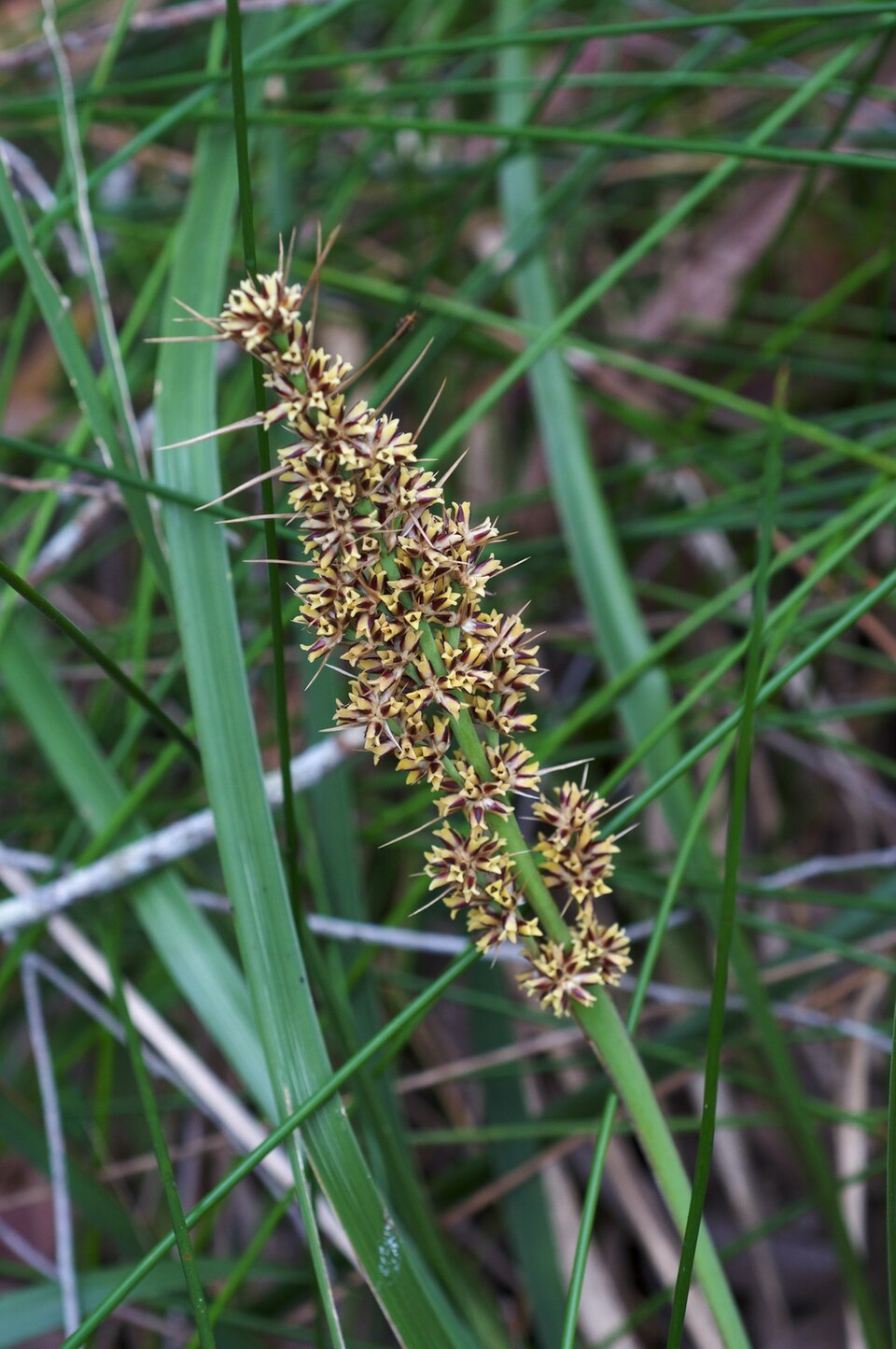
Tough, dense root mass binds soil on garden edges and slopes; prefers drainage between floods.
Blue Flax-lily
Dianella caerulea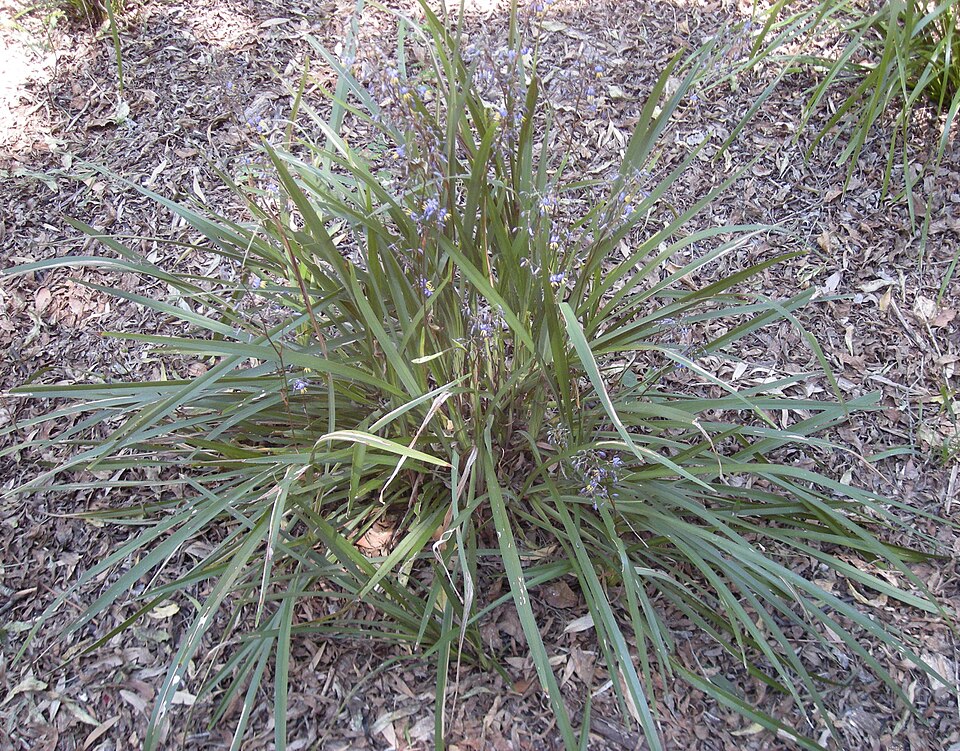
Rhizomes and fibrous roots spread through garden soil; good on better-drained margins.
Swamp Banksia
Banksia robur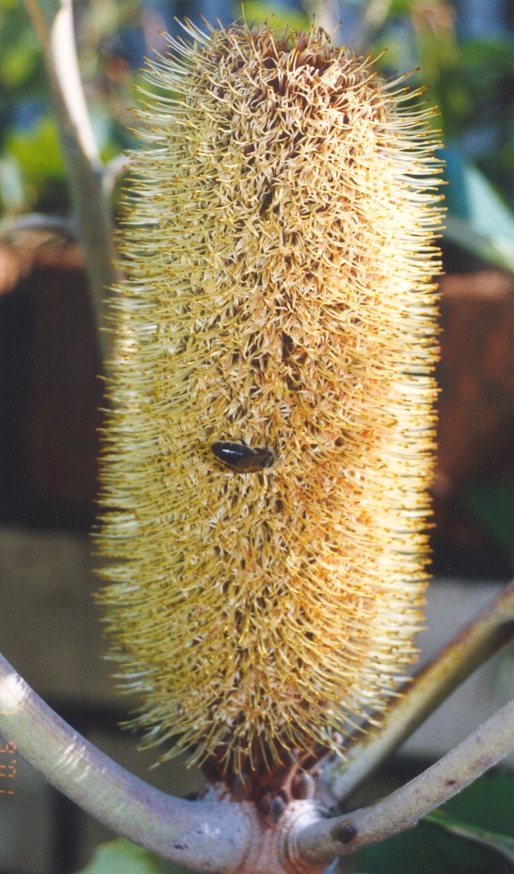
Woody shrub with an extensive root system; suits acidic, seasonally wet sites where locally appropriate.
Weeping Bottlebrush
Melaleuca viminalis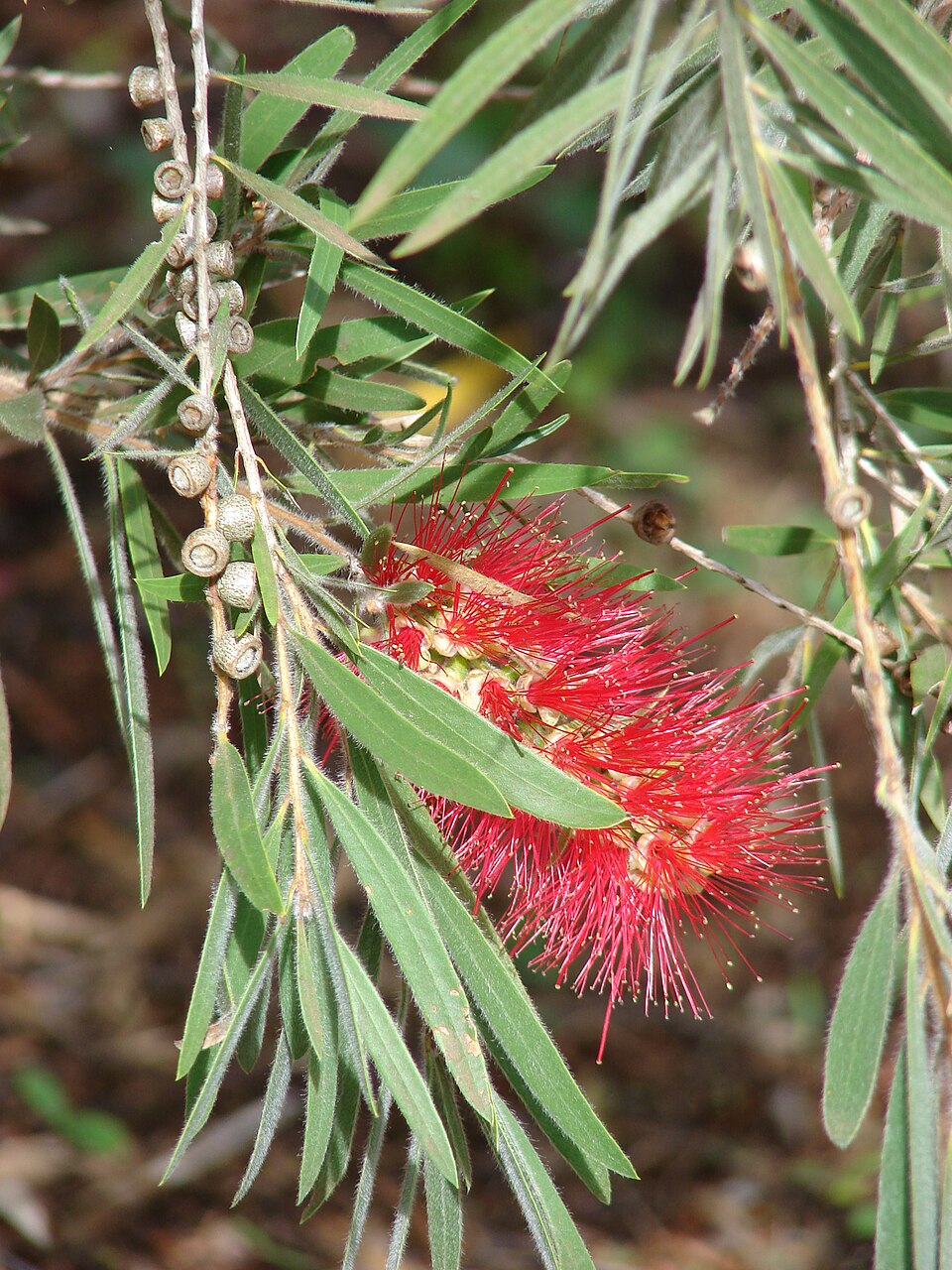
Flowering shrub/tree with woody roots; suitable in many moist sites with space for mature growth.
Broad-leaved Paperbark
Melaleuca quinquenervia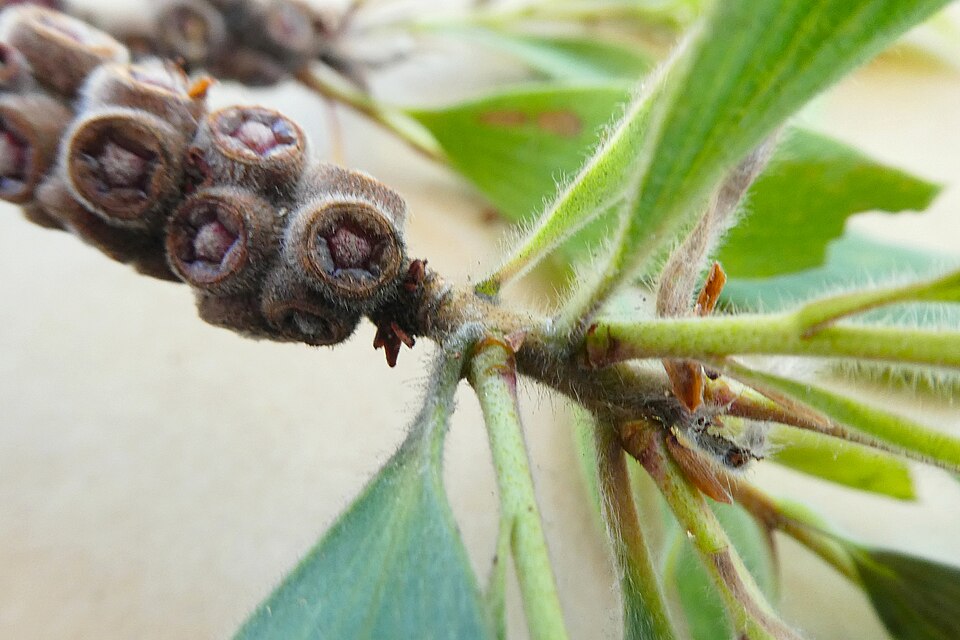
Wetland tree with a substantial root system; best for large sites well away from buildings and services.
Kangaroo Grass
Themeda triandra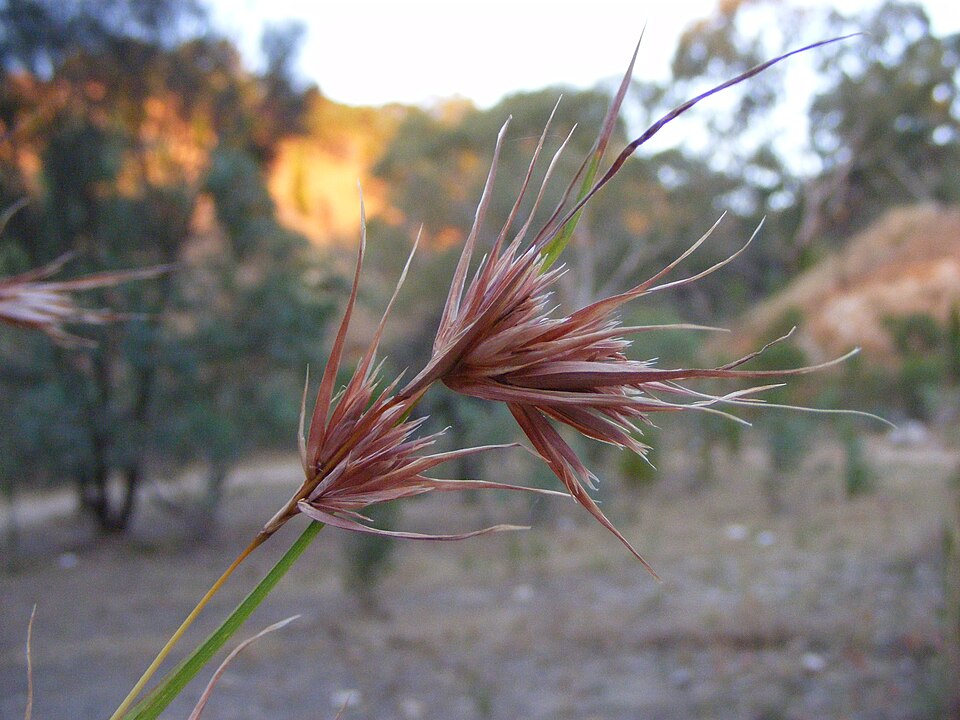
Fibrous roots protect surface soil on drier slopes and upper rain-garden edges.
Native Violet
Viola banksii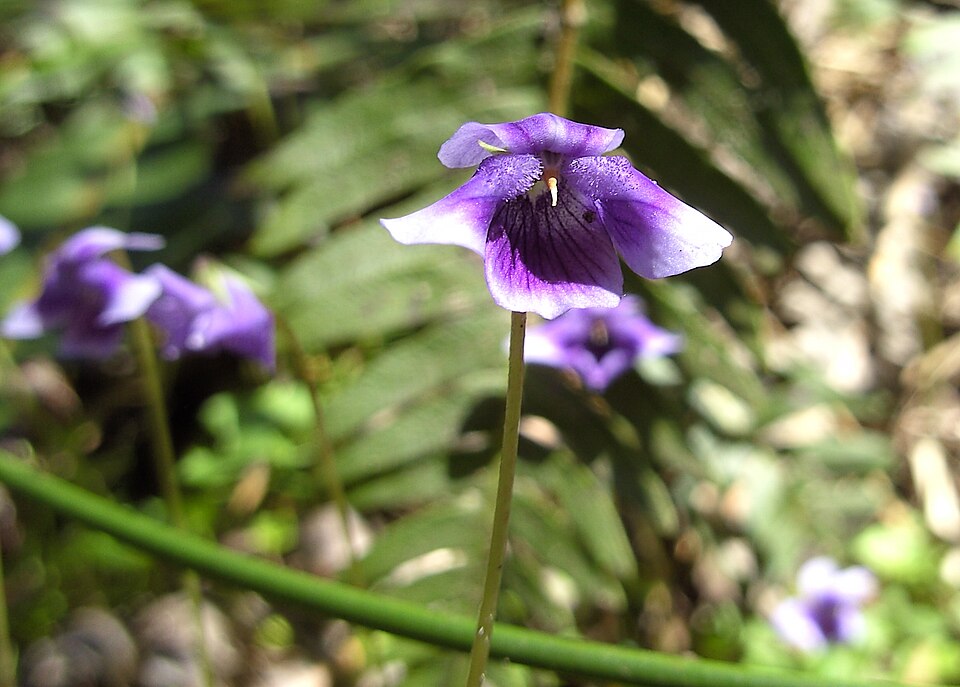
Low spreading groundcover for moist, partly shaded areas; helps cover exposed soil.
Hop Goodenia
Goodenia ovata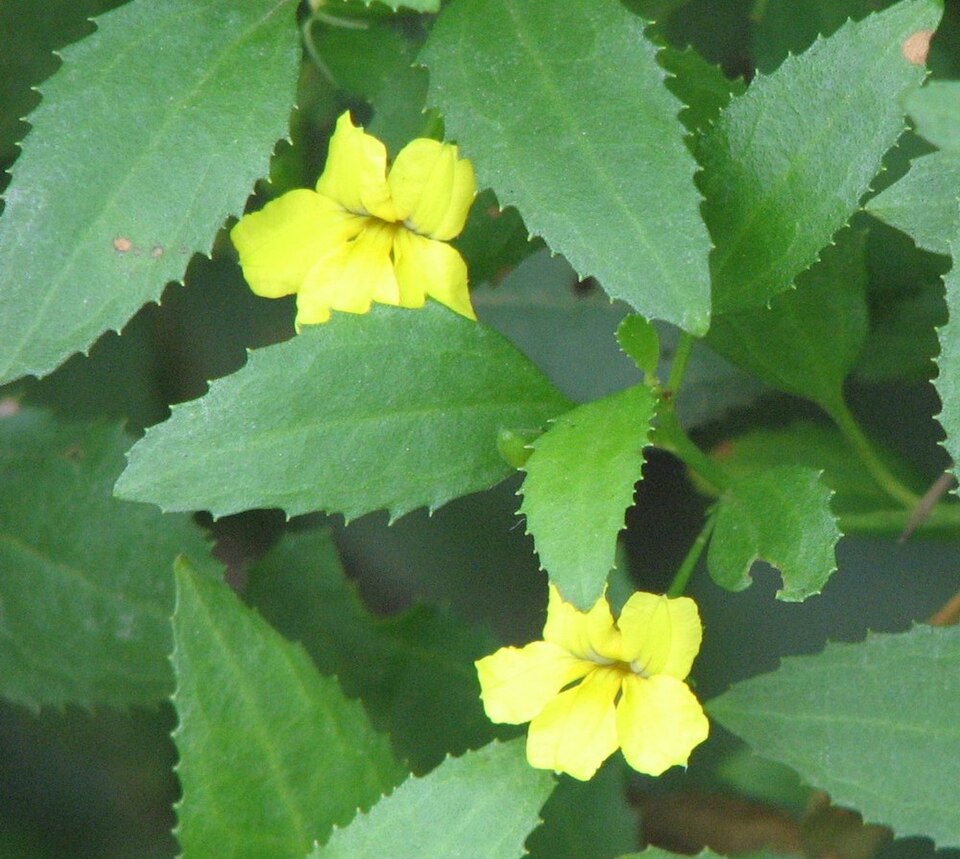
Fast-growing shrub with yellow flowers for damp margins; supports garden biodiversity.
Planting by water level
Lowest / wettest section: Try locally appropriate sedges and rush-like plants such as Tall Sedge and Knobby Club-rush. Middle damp section: Mat-rush, Hop Goodenia and suitable flowering shrubs. Upper drier edge: Blue Flax-lily, Kangaroo Grass and other plants matched to your soil and sun exposure. Larger trees need suitable clearance from buildings, pipes and retaining walls.
How to build a more flood-resilient garden bed
- Watch where water enters, pools and leaves after rain.
- Keep stormwater overflow routes clear; seek drainage advice if water reaches buildings.
- Use a mix of native species appropriate to local soil and waterlogging duration.
- Mulch lightly and keep mulch out of drainage grates and waterways.
- Use correctly designed garden borders without creating a dam that traps water against your home.
Concrete garden edging can define garden beds and contain mulch, but should be planned with drainage in mind. Ask Cooloola Kerbing for a free garden edging quote.
Where to buy native plants locally
These nurseries and garden centres are located across the Sunshine Coast, Gympie and Fraser Coast. Call ahead for specific species, local provenance and stock availability.
Gympie District Landcare Nursery
Gympie / local-provenance natives
350 Old Maryborough Road, Araluen QLD 4570
Natives R Us
Traveston / native plants
97 Thomason Road, Traveston QLD 4570
Noosa & District Landcare Nursery
Pomona / local natives
Station Street, Pomona QLD 4568
Coolum Community Native Nursery
Sunshine Coast / coastal natives
157 Warran Road, Yaroomba QLD 4573
Florabunda Bushcare Nursery
Sunshine Coast / local revegetation
93–145 Diddillibah Road, Woombye QLD 4559
Mooloolah Native Plant Nursery
Sunshine Coast / wetland natives
2671 Steve Irwin Way, Glenview QLD 4553
Forest Heart ecoNursery
Hinterland / native gardens
20 Coral Street, Maleny QLD 4552
Hervey Bay Garden Centre
Fraser Coast / general garden centre; check native stock
132 Scrub Hill Road, Dundowran QLD 4655
Nursery location maps
Explore nurseries around Gympie and the Sunshine Coast using the interactive maps, or use each nursery's directions link above.
Nurseries listed for customer convenience; not endorsements or confirmed stockists of every plant above. Information is general gardening guidance, not a site-specific drainage assessment.
Photo credits
Reference photographs are used under their source licences. Images are resized for display. These reference photos are separate from Cooloola Kerbing project photographs.
- Carex appressa — John Tann from Sydney, Australia; CC BY 2.0.
- Ficinia nodosa — Kevin Thiele from Perth, Australia; CC BY 2.0.
- Lomandra longifolia — Eric in SF; CC BY-SA 3.0.
- Dianella caerulea — Ethel Aardvark; CC BY-SA 3.0.
- Banksia robur — No machine-readable author provided. Casliber assumed (based on copyright claims).; Public domain.
- Melaleuca viminalis — Forest & Kim Starr; CC BY 3.0.
- Melaleuca quinquenervia — Steve Fitzgerald; CC BY-SA 4.0.
- Themeda triandra — Peripitus; CC BY-SA 3.0.
- Viola banksii — Ian Sutton; CC BY 2.0.
- Goodenia ovata — Melburnian; CC BY 2.5.